
Hot Tub Health Benefits
for Everyday Wellbeing
MORE THAN A LUXURY
Bring a Consistent Wellness Routine Home
Wellness routines are often difficult to maintain when they require appointments, travel or additional planning. A hot tub gives you a dedicated space to slow down, step away from distractions and make relaxation part of everyday life.
Warm water can encourage muscles to relax, while buoyancy supports part of your body weight and reduces pressure during gentle movement. These same properties are used in professional hydrotherapy environments to support movement, comfort and rehabilitation. A domestic hot tub is not a replacement for clinical hydrotherapy, but it can provide a comfortable setting for relaxation and light movement at home.
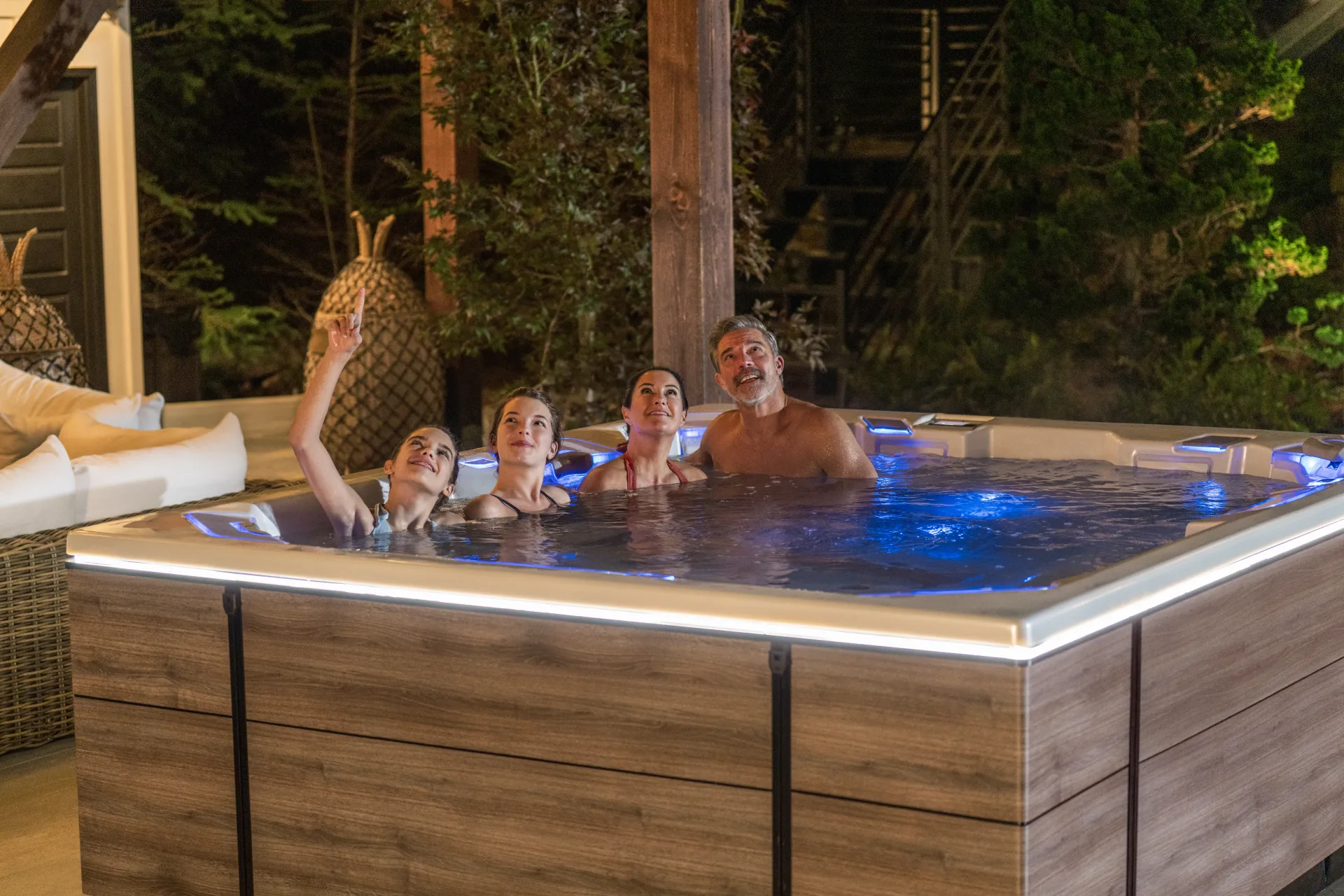
BENEFITS OF HOT TUB USE
How a Hot Tub Can Support Your Health and Wellbeing
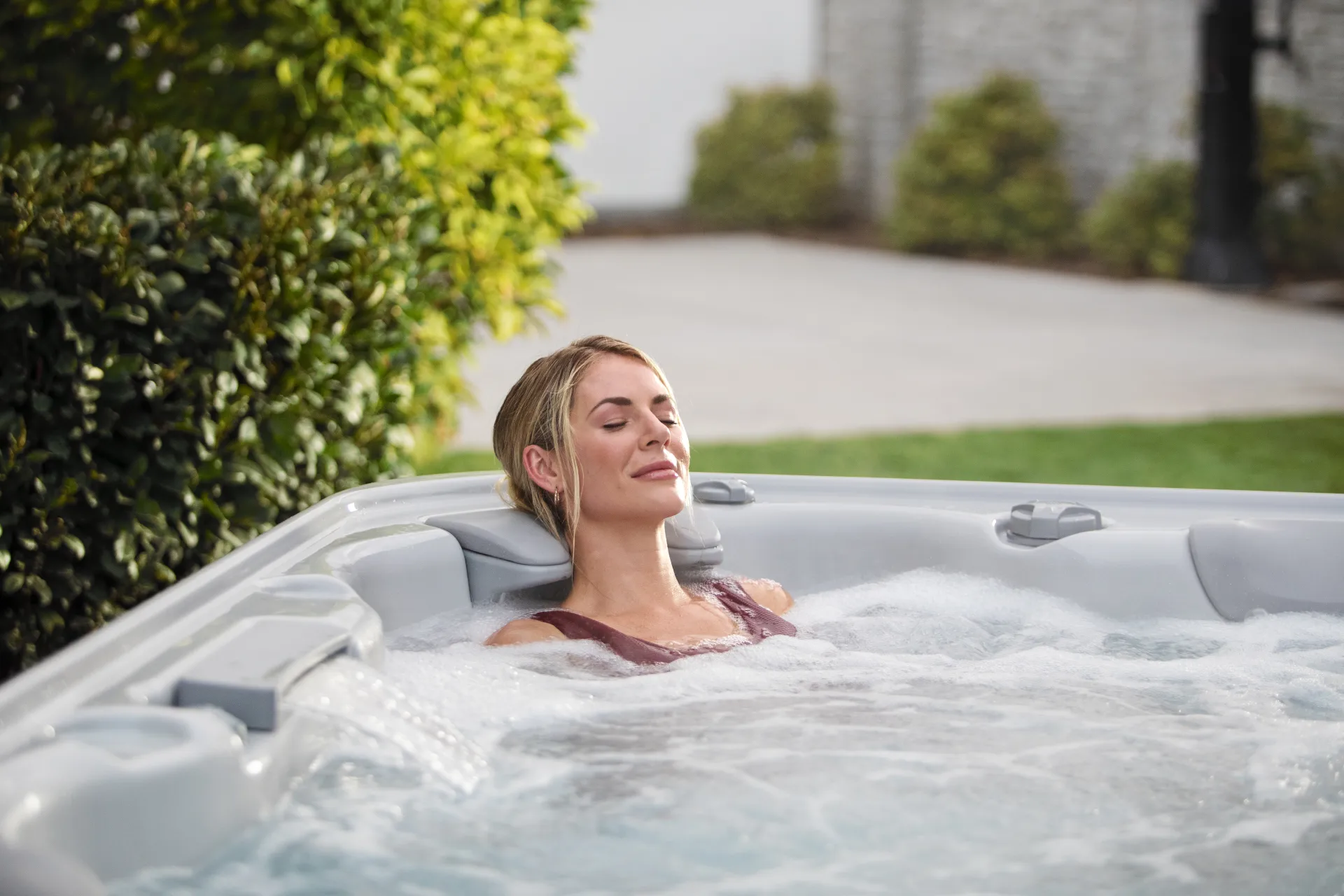
Stepping into warm water creates a natural opportunity to pause. The temperature, water movement and quiet environment can help you disconnect from work, screens and everyday demands.

After exercise, physical work or a long day at a desk, heat and targeted jets can feel soothing on areas that commonly hold tension, including the back, shoulders, legs and feet.
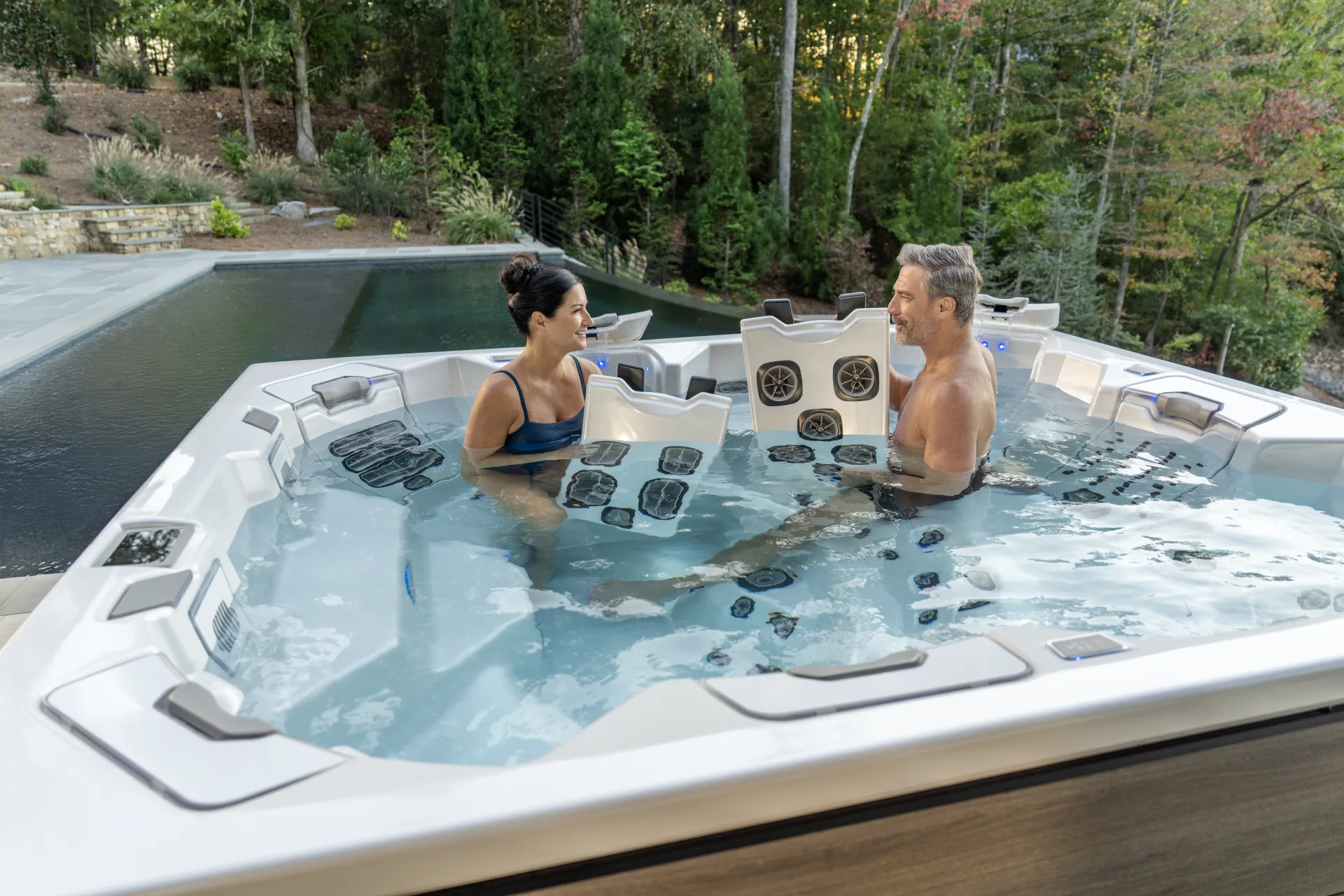
Water supports the body and reduces the amount of weight placed through the joints. This can make gentle stretching and controlled movement feel more comfortable than performing the same movements on land.
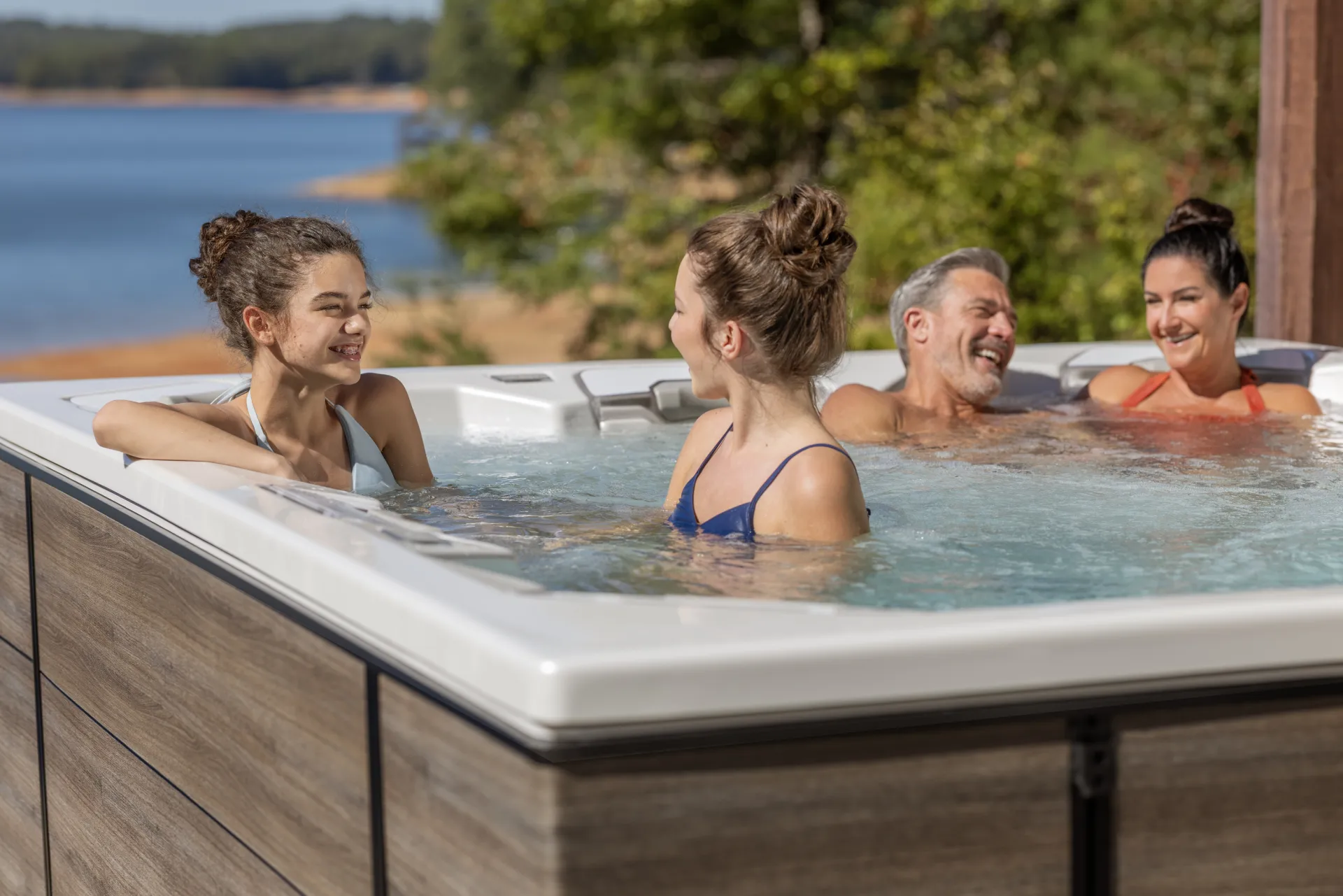
Using a hot tub in the evening may help create a clear transition between a busy day and bedtime. It gives you time away from screens and provides a predictable routine for slowing down.
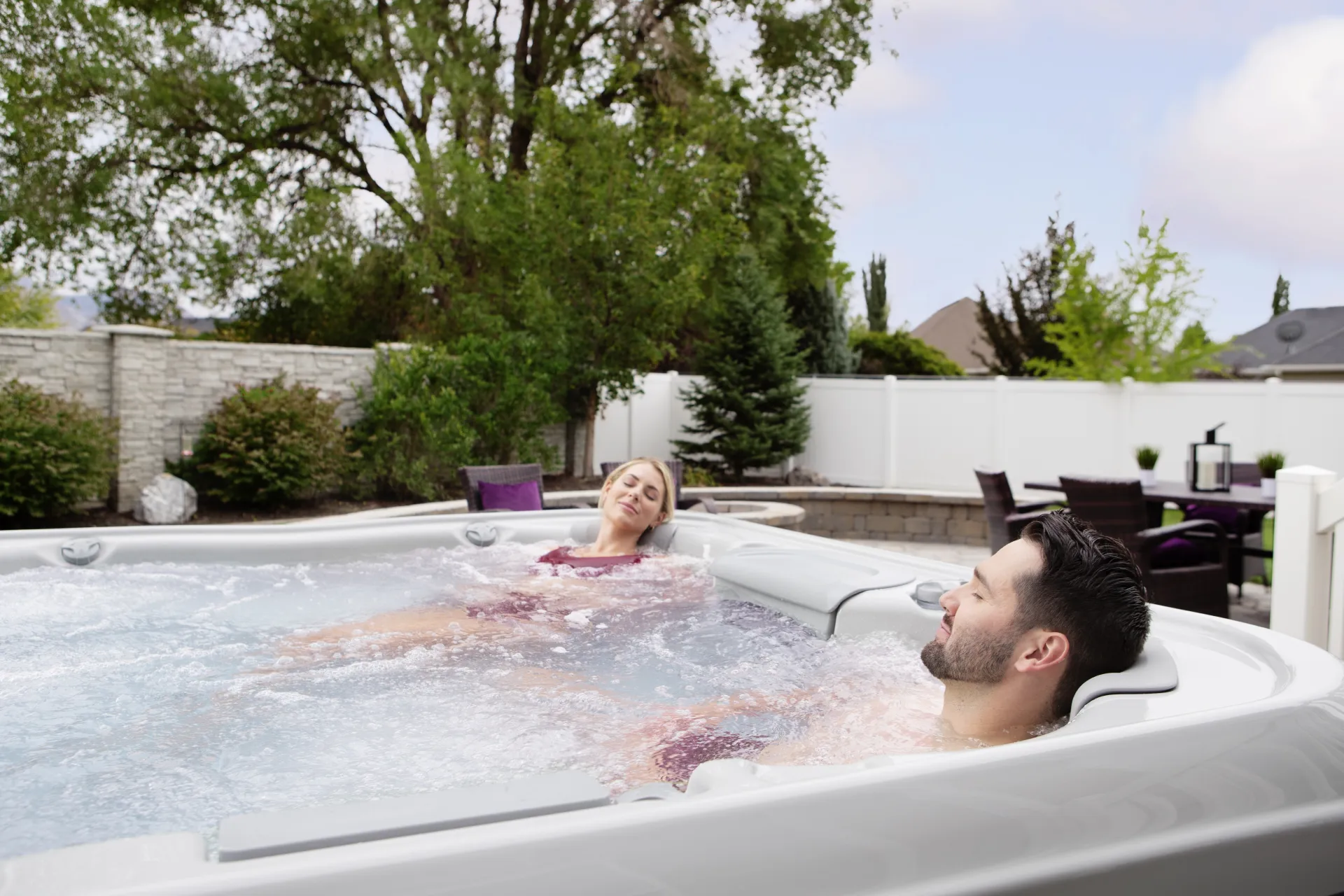
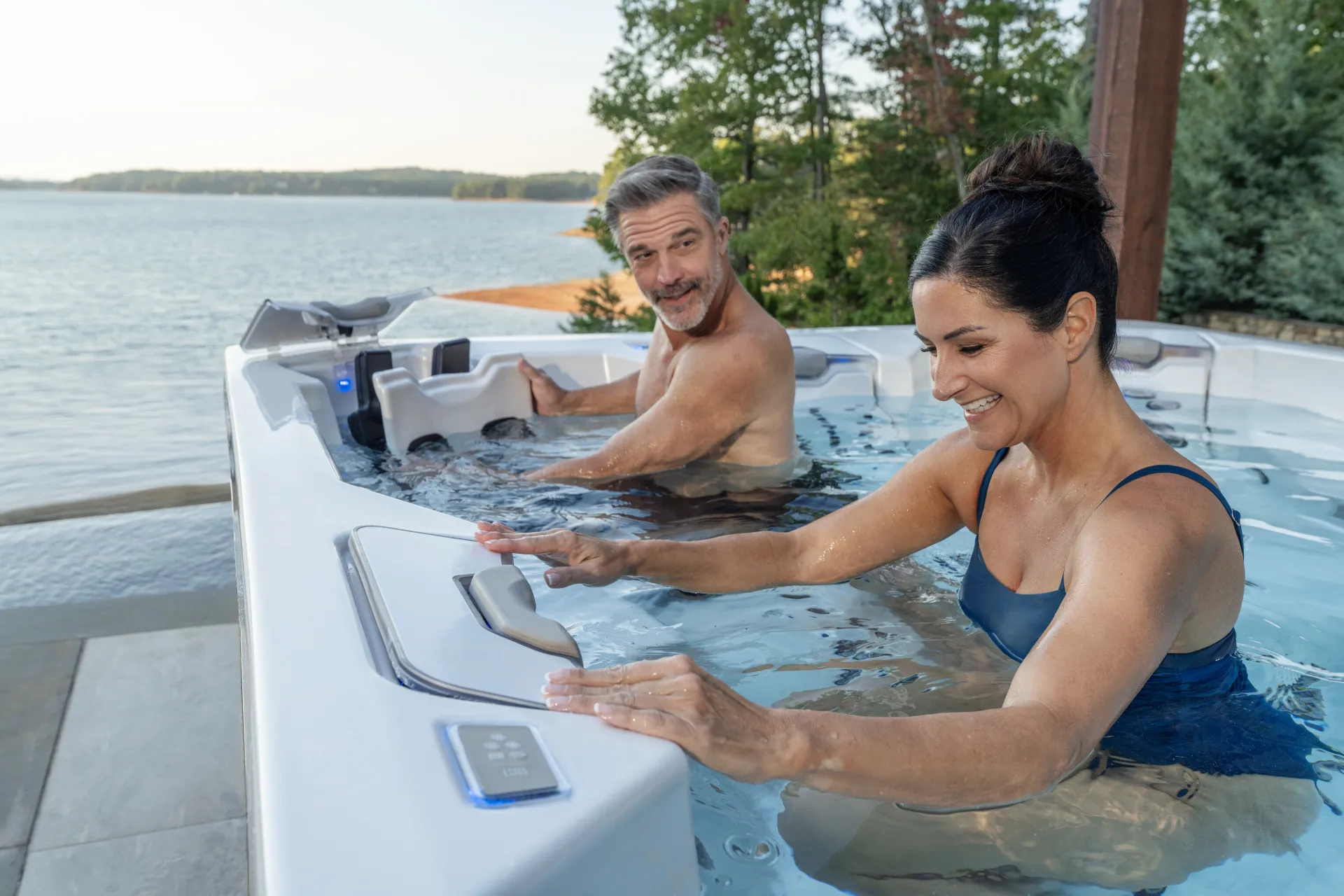
A hot tub is not a replacement for regular exercise, but some models provide enough space for simple mobility exercises and gentle stretching.
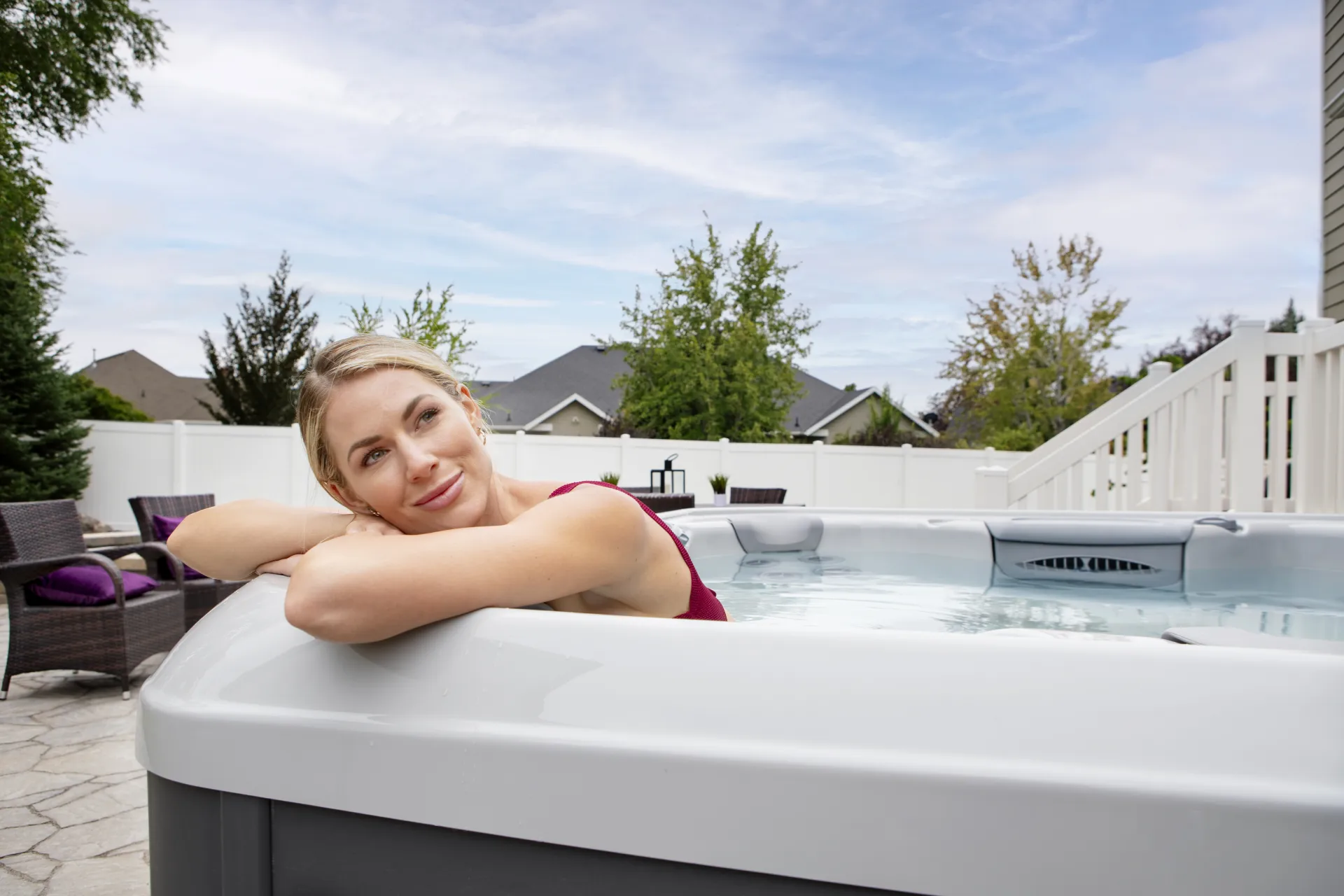
Wellbeing is not only physical. A hot tub creates a comfortable, screen-free environment where couples, families and friends can talk and spend time together without the usual distractions.
THE HOT TUB EXPERIENCE
Why Warm Water, Buoyancy and Jets Matter
Warm water can help the body feel more relaxed and may reduce the sensation of muscular tightness. Adjustable temperature controls allow you to choose a comfortable setting for the season and your personal preference.
Water supports part of your body weight. This can reduce pressure on weight-bearing joints and make sitting, stretching and changing position feel easier.
Different jets are designed to direct water towards areas such as the neck, shoulders, back, calves and feet. The position, type and power of the jets will influence how the massage feels, which is why trying a hot tub before purchasing can be so valuable.
PERSONALISED RECOMMENDATIONS
Which Hot Tub Is Right for You
- How many people will use the hot tub
- Which areas you would like the jets to target
- Whether relaxation, recovery or social use is your priority
- How much space you have available
- Your preferred budget or monthly payment range
FREQUENTLY ASKED QUESTIONS
Hot Tub Health Benefits FAQs
Can a hot tub help with back pain?
Warm water and targeted jets may help tense back muscles feel more relaxed and provide temporary comfort. However, ongoing, severe or unexplained back pain should be assessed by a healthcare professional. A domestic hot tub should not be presented as a treatment for an underlying medical condition.
Are hot tubs good for arthritis?
Warm water and buoyancy can make gentle movement feel more comfortable and may help some people manage feelings of stiffness. Clinical hydrotherapy is commonly used to support people with orthopaedic and joint conditions, but a home hot tub is not the same as supervised treatment. Speak with your GP or specialist before use if you have arthritis or another medical condition.
Can using a hot tub help you sleep?
Warm water use before bedtime may support relaxation and help establish a calming evening routine. Research into passive water-based heating suggests it may help with sleep onset and perceived sleep quality, although individual results vary.
Can I use a hot tub every day?
Many owners include hot tub use in their regular routine, provided the water is correctly maintained and the temperature and session length are comfortable for them. Follow the manufacturer’s instructions, stay hydrated and leave the water if you feel dizzy, overheated or unwell.
What temperature should a hot tub be?
The water should never exceed 40°C. Many people prefer a lower temperature, especially during warmer weather or for longer sessions. Always follow the manufacturer’s guidance and consider any advice provided by your doctor.
Is a hot tub safe during pregnancy?
Pregnancy can change how the body responds to heat. NHS guidance notes that overheating may be harmful, particularly during the first 12 weeks, and that hot tubs can raise core body temperature. Speak with your midwife, GP or other maternity professional before using a hot tub while pregnant.
How important is hot tub water care?
START YOUR HOT TUB JOURNEY
Create a Space That Helps You Feel Better Every Day
A hot tub creates a comfortable, convenient space where relaxation, gentle movement and quality time become easier to prioritise as part of your everyday wellbeing routine.
Explore our collection, visit the showroom or arrange a wet test to find the hot tub that best suits your body, lifestyle and wellbeing goals.
HEALTH INFORMATION
The information on this page is provided for general educational purposes and does not constitute medical advice. Hot tubs are not intended to diagnose, treat, cure or prevent any medical condition. Speak with a GP or qualified healthcare professional before using a hot tub if you are pregnant, have a heart or circulatory condition, take medication, have reduced heat sensitivity or have any concerns about whether hot tub use is suitable for you.